
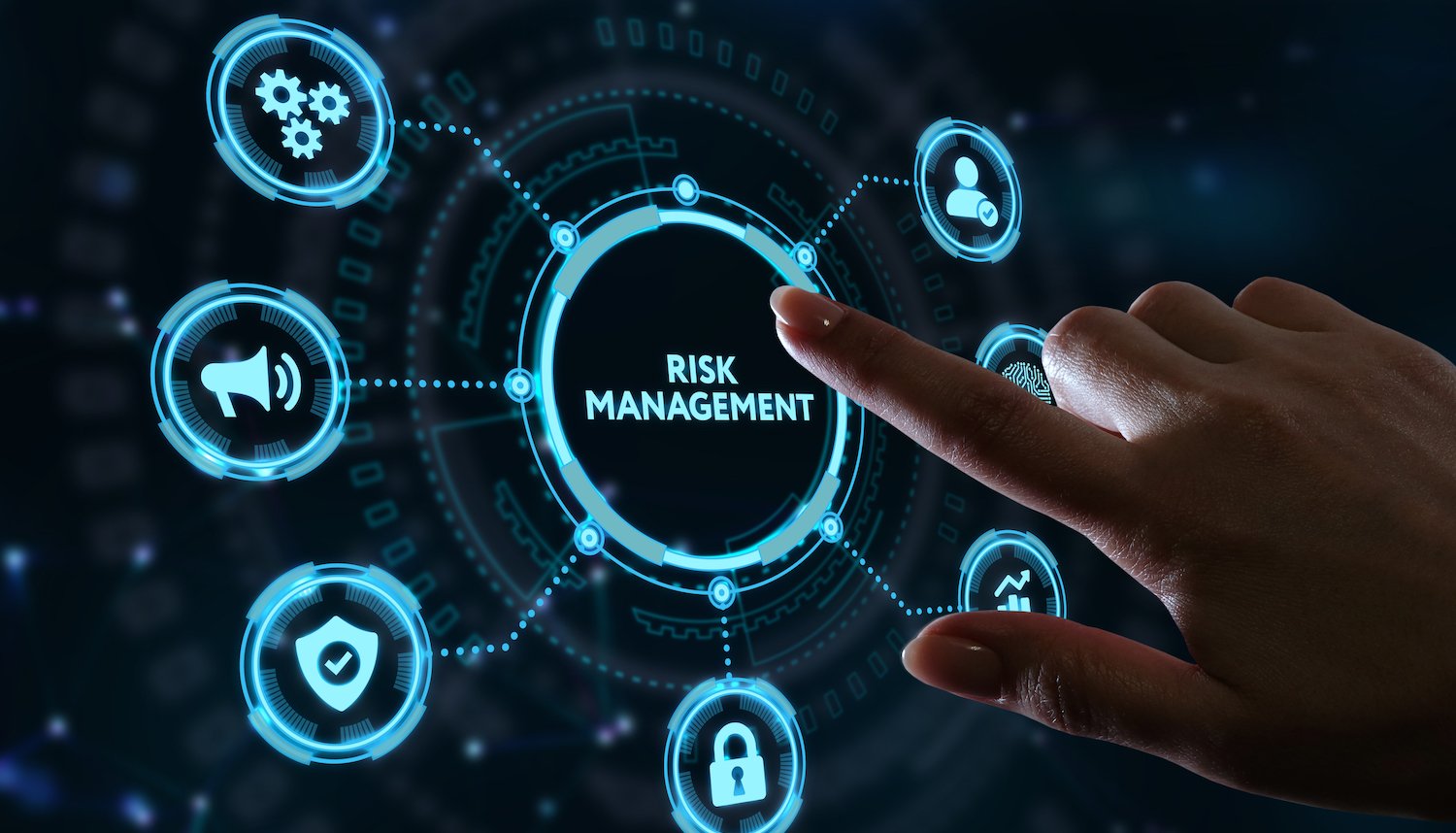
Introduction: Why Risk Management Is More Relevant Than Ever
In a world of economic uncertainty, technological disruption, and geopolitical shifts, risk management has emerged as a core discipline for sustainable business success. While businesses once relied on reactive measures, modern organizations now embed proactive risk management into strategic planning.
Whether you’re running a startup or leading a Fortune 500 company, the ability to identify, assess, and mitigate risks can make the difference between long-term viability and sudden collapse.
What Is Risk Management?
Risk management refers to the systematic process of identifying potential threats to an organization’s capital and earnings. These threats or risks could stem from a wide range of sources including:
- Financial uncertainties
- Legal liabilities
- Strategic management errors
- Accidents and natural disasters
- Cybersecurity breaches
Why Risk Management Matters in 2025
“The greatest risk is not taking any risk. In a world that’s changing really quickly, the only strategy that is guaranteed to fail is not taking risks.” — Mark Zuckerberg
According to a 2024 PwC Global Risk Survey:
- 83% of CEOs ranked risk management as a top-three priority
- 67% of companies increased their investment in risk management tools
From climate change and supply chain disruptions to AI-related regulatory challenges, risk management is no longer a back-office function – it’s a boardroom concern.
Types of Risk Management
Strategic Risk Management: Aligning risk control with long-term objectives.
Operational Risk Management: Managing risks in daily processes, such as quality control or staffing.
Financial Risk Management: Mitigating market volatility, credit default, or liquidity issues.
Compliance Risk Management: Ensuring adherence to laws, regulations, and internal policies.
Reputational Risk Management: Monitoring brand image, social sentiment, and stakeholder trust.
Cyber Risk Management: Addressing data breaches, phishing attacks, and system vulnerabilities.
Key Components of an Effective Risk Management Plan
1. Risk Assessment Tools
- SWOT Analysis
- PESTLE Analysis
- Risk Heat Maps
2. Risk Control Strategies
- Avoidance: Not engaging in activities known to carry risk.
- Reduction: Taking steps to lower impact.
- Sharing: Insurance or outsourcing.
- Retention: Accepting minor risks as part of doing business.
3. Risk Governance Structure
- Risk Officers
- Internal Auditors
- Enterprise Risk Management (ERM) teams
4. Technology in Risk Management AI and machine learning models now predict risks with greater precision. Tools like SAP GRC and IBM OpenPages are widely used.
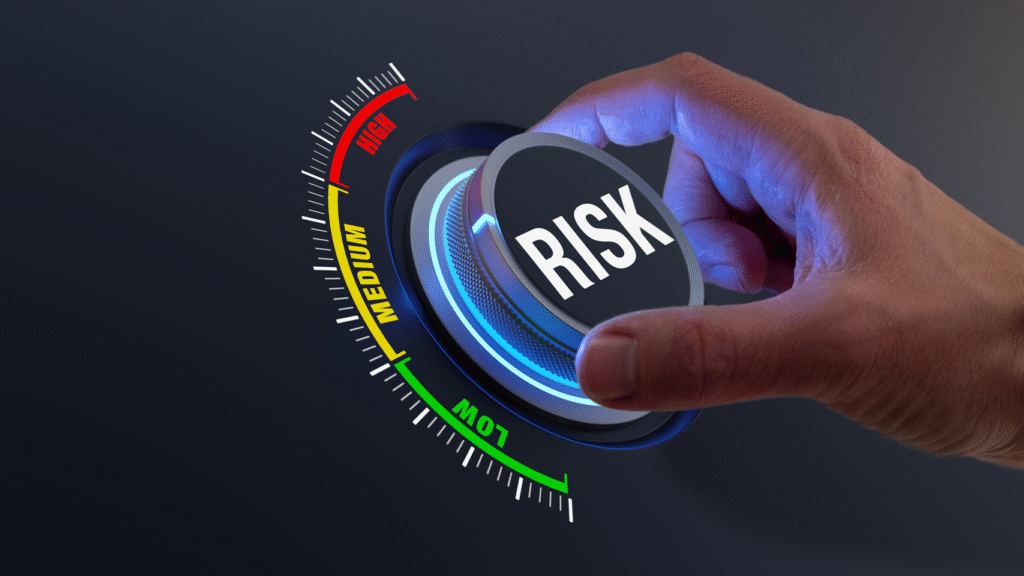
Famous Names in Risk Management
- Nassim Nicholas Taleb: Author of The Black Swan, Taleb emphasized the importance of unpredictable events.
- Warren Buffett: Advocated risk awareness in investing: “Risk comes from not knowing what you’re doing.”
- Robert Kaplan & David Norton: Developed the Balanced Scorecard, linking strategy to risk.
Real-World Case Studies
1. Boeing 737 MAX Crisis: A failure in risk management led to grounding of the aircraft and billions in losses.
2. Target Data Breach: In 2013, Target lost $162M due to cybersecurity gaps that could have been mitigated with proper risk management.
3. COVID-19 Pandemic: Companies like Zoom thrived because they pre-identified remote work as a scalable opportunity.
FAQs: Common Questions About Risk Management
Q1: Is risk management only for big corporations? No. Even freelancers and small businesses benefit from risk awareness and mitigation strategies.
Q2: What tools are used in risk management? Popular tools include risk heat maps, Monte Carlo simulations, and governance software like LogicManager.
Q3: What industries prioritize risk management the most? Finance, healthcare, aerospace, and tech sectors lead in implementation.
Q4: How often should a risk assessment be done? Ideally, quarterly, or whenever a major change or decision occurs.
Q5: What’s the difference between risk management and crisis management? Risk management is proactive, while crisis management is reactive.
Other High-End Website Resources on Risk Management
Key Takeaways
- Risk management is a proactive framework vital for modern businesses.
- Integration of AI, data, and governance enhances accuracy.
- Strategic and reputational risks are gaining prominence in 2025.
- Businesses that prioritize risk management demonstrate higher resilience and agility.
Conclusion: Managing Risks to Secure Tomorrow
In conclusion, risk management is not about avoiding risk altogether but understanding and navigating it effectively. The businesses that succeed in 2025 will be those that approach uncertainty not with fear, but with strategy.
By embedding risk management into every layer of an organization, leaders can foster innovation, resilience, and sustainable growth. In a complex world, this is not just good practice — it’s essential.