
Personal loans are marketed as simple, safe, and stress-free—but beneath the surface lie risks many borrowers only discover too late. This in-depth guide exposes the hidden downsides of personal loans, from silent credit damage and fee traps to long-term financial strain. Learn what lenders rarely explain, how borrowers get caught off guard, and how to protect yourself before signing.
Personal loans are often positioned as the “responsible” borrowing option. Compared to credit cards, payday loans, or lines of credit, they feel structured, transparent, and predictable. Fixed interest rates and fixed monthly payments give borrowers a sense of control.
According to Experian, personal loan usage in the United States has increased steadily as Americans search for alternatives to high-interest credit cards. Lenders promote them as tools for consolidation, emergencies, and lifestyle expenses, often emphasizing speed and simplicity over long-term consequences.
But here’s the uncomfortable truth: personal loans are designed to feel manageable, even when they aren’t financially safe. The danger doesn’t come from obvious deception—it comes from incomplete understanding.
Legally, lenders disclose interest rates, fees, and repayment terms. What they don’t explain is how those terms interact with real life—income changes, inflation, emergencies, and human behavior.
Most borrowers don’t sit down and calculate opportunity cost, credit scoring mechanics, or long-term cash-flow strain. Lenders know this. The loan agreement may be transparent, but the impact is rarely intuitive.
This gap between disclosure and understanding is where most borrowers get hurt.
One of the biggest traps of personal loans is how affordability is framed.
Lenders focus attention on the monthly payment, not the total amount repaid. Stretching repayment over five, six, or seven years dramatically lowers the monthly cost—but significantly increases the total interest paid.
Michael, a logistics coordinator in Missouri, took a $20,000 personal loan with a $340 monthly payment. It fit his budget comfortably. What he didn’t realize was that over six years, he would repay nearly $28,000. When rent and grocery costs increased, that “affordable” payment became a burden he couldn’t easily escape.
Key issue: monthly affordability today does not equal long-term sustainability.
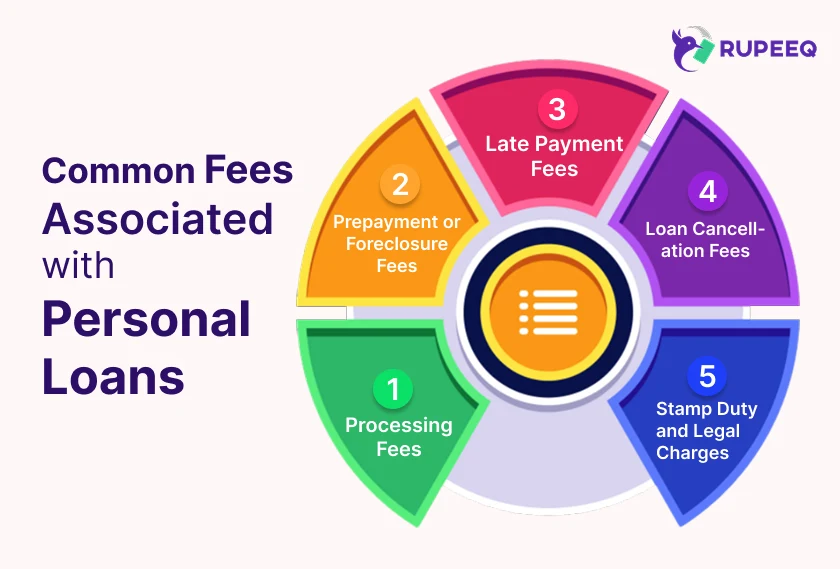
Many personal loans include origination fees, often ranging from 1% to 8% of the loan amount. These fees are deducted before funds are disbursed—but interest is charged on the full loan amount.
- You receive less money than you owe
- Your effective APR is higher than advertised
- Borrowers rarely factor this into comparisons
According to the Consumer Financial Protection Bureau (CFPB), origination fees are one of the most commonly misunderstood aspects of consumer lending.
Stephanie borrowed $15,000 for medical expenses. After a 6% origination fee, she received $14,100—but repaid interest on the full $15,000. That gap followed her for years.
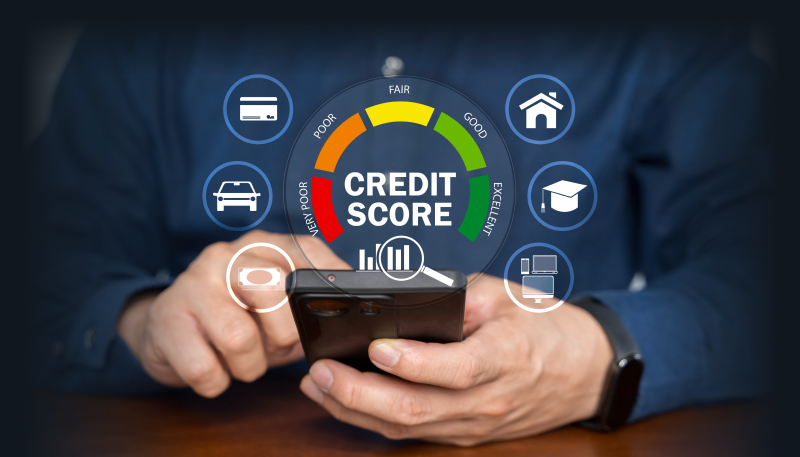
Many people assume personal loans automatically improve credit scores. The reality is more complicated.
Personal loans affect several credit scoring factors at once:
- Hard inquiries
- Total debt load
- Average account age
- Payment history
While on-time payments help, the initial impact can be negative, especially for borrowers with thin credit files.
Rachel, a marketing associate in New Jersey, used a personal loan to consolidate credit cards. Her utilization dropped, but her credit score still declined because her total installment debt increased and her average account age decreased.
Lenders rarely explain that credit scores react to multiple variables—not just good intentions.
Personal loans offer less flexibility than credit cards. There’s no “minimum payment cushion,” and late payments are reported quickly.
Even one missed payment can:
- Trigger late fees
- Lower your credit score sharply
- Stay on your credit report for seven years
According to Equifax, payment history is the single most important credit scoring factor—and installment loan delinquencies are weighted heavily.
One of the darkest realities of personal loans is debt cycling.
This happens when borrowers use personal loans to temporarily relieve pressure without addressing spending habits or income gaps. Once credit cards are paid off, spending resumes—and the loan payment becomes an added burden.
- Personal loan pays off cards
- Credit cards feel “available” again
- Unexpected expenses arise
- Total debt increases beyond starting point
Derek, a rideshare driver in Florida, consolidated $12,000 in credit card debt with a personal loan. Six months later, car repairs and medical bills pushed him back to credit cards. Within a year, he owed more than before—and now had fixed loan payments too.
Many lenders advertise hardship programs, deferments, or payment pauses. What they don’t emphasize is the cost.
During deferment:
- Interest often continues accruing
- Loan terms extend
- Total repayment increases
Short-term relief can quietly become long-term financial damage.
Personal loans assume income stability.
Unlike credit cards, which allow variable payments, personal loans require fixed payments regardless of circumstances. During layoffs, medical issues, or inflation spikes, this rigidity becomes dangerous.
According to Federal Reserve data, personal loan delinquencies rise sharply during economic downturns—often faster than other forms of consumer debt.
Credit cards have problems—but they also offer flexibility.
Credit cards allow:
- Temporary minimum payments
- Negotiation with issuers
- Promotional relief options
Personal loans offer:
- Fixed obligations
- Faster delinquency reporting
- Limited renegotiation
The structure that feels disciplined can quickly become unforgiving.
Every dollar committed to loan repayment is a dollar that cannot be saved, invested, or used for future goals.
Over a five-year loan term, personal loan payments can delay:
- Emergency fund growth
- Retirement contributions
- Home down payments
Loan calculators don’t show opportunity cost—but it shapes long-term financial outcomes.
The uncomfortable truth is that lenders remain profitable even when borrowers struggle.
Late fees, extended interest, refinances, and defaults are priced into lending models. This doesn’t mean lenders are unethical—but it does mean borrower success and lender profit are not perfectly aligned.
Education is your strongest defense.
- Calculate total repayment, not just monthly payment
- Stress-test payments against income loss
- Avoid long terms for short-term needs
- Compare at least three lenders
- Read late-payment and hardship policies carefully
A personal loan should reduce stress—not create future pressure.
Despite the risks, personal loans are not inherently bad.
They can be appropriate when:
- Replacing higher-interest, predatory debt
- Funding unavoidable, high-impact expenses
- Borrowers have stable income and clear payoff plans
The danger isn’t borrowing—it’s borrowing without full awareness.
Personal loans don’t ruin finances. Misunderstanding does.
When borrowers understand the full picture—fees, credit impact, rigidity, and long-term tradeoffs—personal loans can be useful tools. Without that understanding, they quietly become financial traps.
The smartest financial decision isn’t whether to borrow—it’s knowing exactly what you’re agreeing to.
1. Are personal loans bad for your credit score?
Ans. They can help or hurt depending on payment history, total debt, and missed payments.
2. Why do personal loans seem affordable at first?
Ans. Long repayment terms lower monthly payments while increasing total interest.
3. Do personal loans have hidden fees?
Ans. Fees are disclosed, but often not clearly explained or emphasized.
4. Is missing a personal loan payment worse than missing a credit card payment?
Ans. Yes. Installment loans are less flexible and late payments are reported quickly.
5. Can personal loans cause long-term financial stress?
Ans. Yes, especially during income disruptions or economic downturns.
6. Are personal loans safer than payday loans?
Ans. Yes, but they still carry risks if used without planning.
7. Can personal loan terms be renegotiated later?
Ans. Usually no. Most personal loans are rigid once issued.
8. Do personal loans increase total debt even when used responsibly?
Ans. Yes. They increase installment debt, which affects credit metrics.
9. Why don’t lenders clearly explain these risks?
Ans. Regulations require disclosure, not education.
10. How can I avoid the dark side of personal loans?
Ans. Borrow less, compare lenders, stress-test payments, and read all terms carefully.